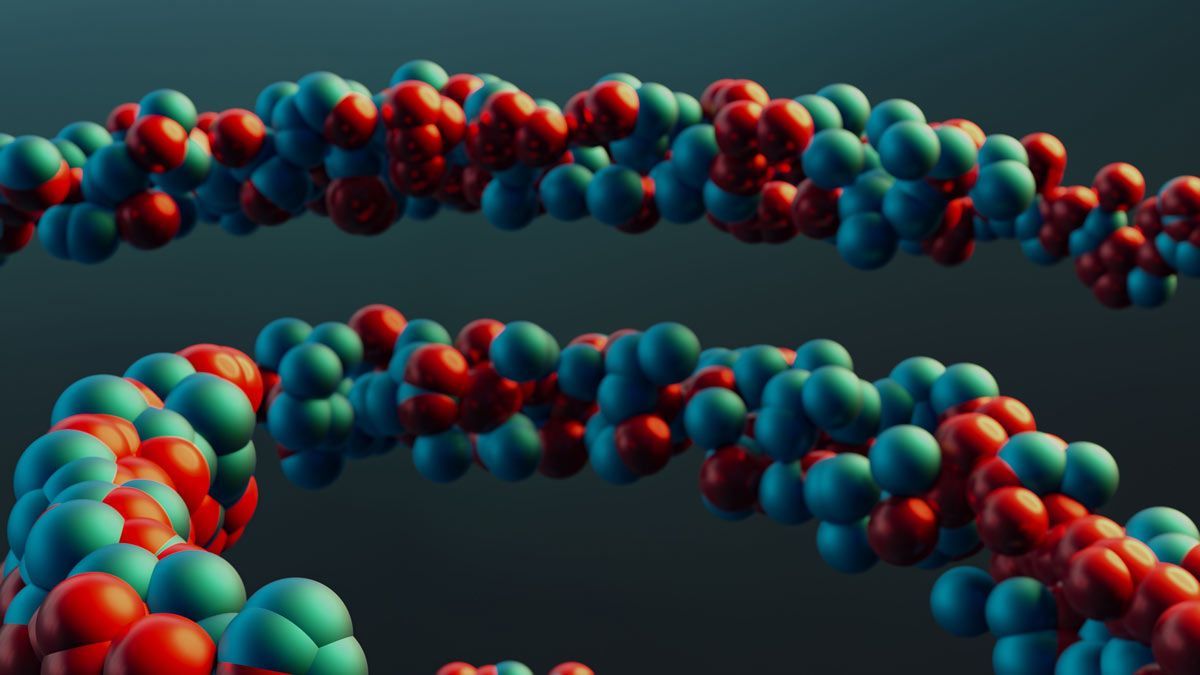
Genetics changes what a hormone test can tell you. Hormone metabolism runs through a family of enzymes, and the genes you were born with shape how those enzymes perform.
CYP19A1 Gene Affects Estrogen Production
The CYP19A1 gene codes for aromatase, the enzyme that converts androgens into estrogen. Variations in this gene can raise or lower how much estrogen your body produces and how your cells use it, regardless of what a single blood draw shows.
Epigenetics Affects the Timing of Perimenopause
Genetics can also influence when perimenopause starts.
Research on DNA methylation, the process that turns genes on and off, found in an animal model that epigenetic changes precede and help regulate the onset of the menopausal transition itself, not just its symptoms — early evidence that perimenopause isn’t only a hormone problem, but a shift in biology that may begin years before symptoms appear.
Methylation and detox pathway genes also shape how efficiently your body clears estrogen. When those pathways underperform, estrogen can accumulate even when your blood levels appear normal, which is part of why testing those genetic markers matters alongside a standard hormone panel.
What Our Pharmacist-Led Hormone Testing Includes
At Newport Precision Rx, perimenopause hormone testing starts with more than a single panel. We pair
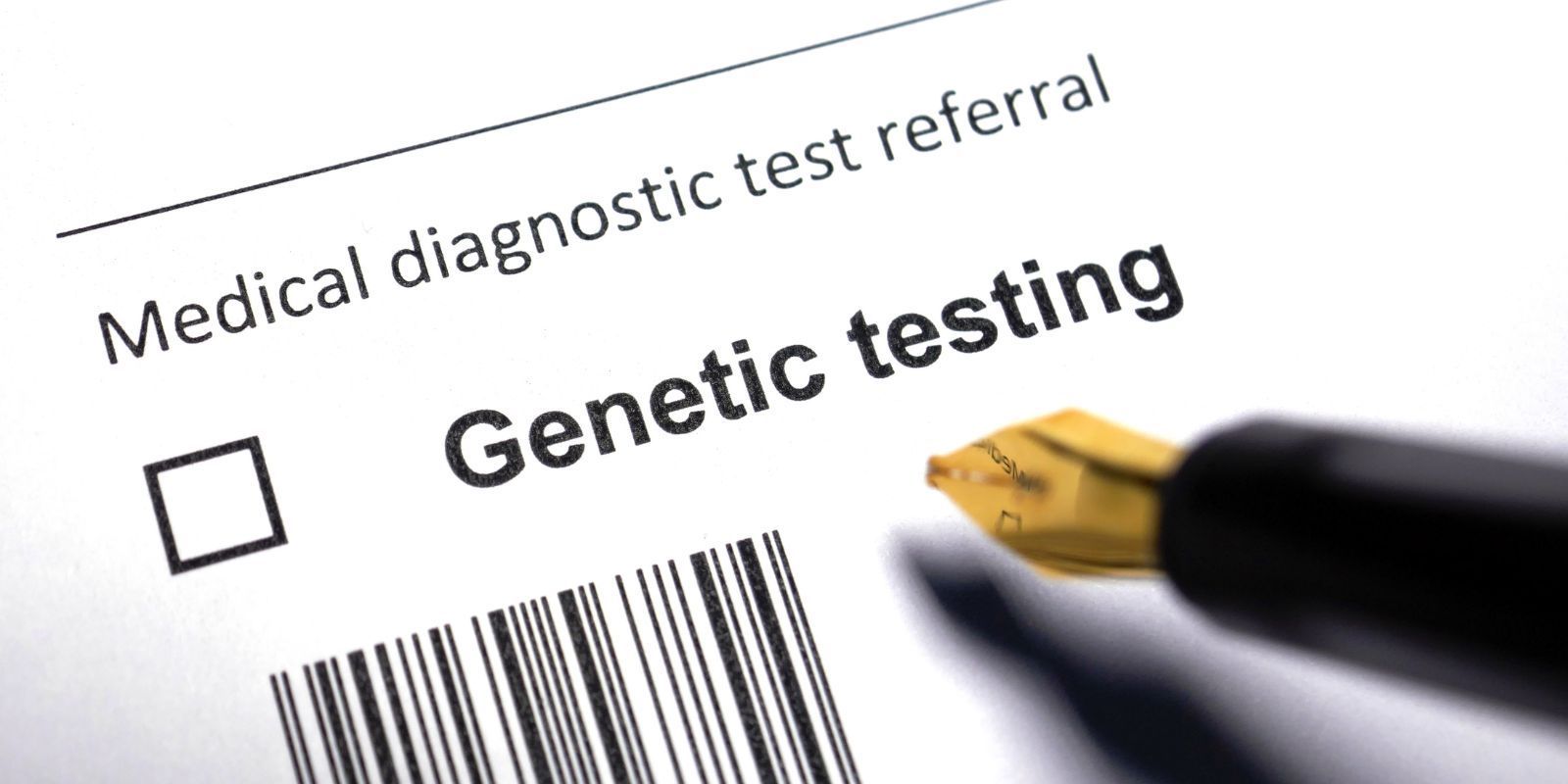
comprehensive blood and lab work with specialized genetic testing that examines how your body metabolizes hormones, not just how much circulates today.
- Current hormone levels, including estrogen, progesterone, testosterone, and related markers
- Genetic markers tied to hormone metabolism, including estrogen-conversion genes like CYP19A1
- Methylation and detox pathway genes that affect how quickly you clear hormones
- How these results interact, so you get one connected picture instead of isolated numbers
This matters most for women who’ve searched for
hormone testing near them and already run a standard panel without getting real answers. You don’t need another test. You need a different kind of test that explains why your numbers don’t match your feelings.
How We Use Genetic Insights to Build Your Hormone Plan
Once we map your genetic hormone pathways, we build your plan around your actual biology, not a generic protocol.
Depending on what your genes show, that plan might include:
- Targeted supplements that support the specific pathway your genes flag as under-functioning
- Nutrient adjustments that improve how your body clears or converts hormones
- Follow-up lab work timed to catch the fluctuations a single test misses
This is what makes perimenopause hormone testing at
Newport Precision Rx different from a standard panel: your plan reflects how your body actually works, not a generic reference range.
Newport Precision Rx built this approach after seeing the same pattern repeatedly: patients with textbook-normal labs who kept struggling, with no one connecting their symptoms to their genetics. Several of our
wellness care packages include this testing, so your hormone insights feed directly into an ongoing plan rather than a one-time result.
Find Out What Your Genes Say About Your Hormones
Ready to find out what your labs aren’t telling you?
Book a consultation and start with genetic hormone testing built around your biology, not a generic reference range.
Frequently Asked Questions
1. Why do my hormones feel off during perimenopause?
Your estrogen and progesterone fluctuate unpredictably during this transition instead of declining steadily, so symptoms can feel different week to week. Genetics also shapes how your body responds to those fluctuations, which is part of why two women the same age can have very different experiences.
2. What hormone tests should I get for perimenopause?
Ask for a comprehensive approach: standard hormone panels plus testing that shows how your body metabolizes and clears those hormones. A single snapshot blood test rarely explains ongoing symptoms on its own.
3. Can genetic testing help with perimenopause symptoms?
Yes. Genetic testing reveals how efficiently your body processes and clears hormones like estrogen, information that standard blood panels don’t provide. That insight lets your provider build a personalized treatment plan instead of a generic one.
4. Why do my labs look normal, but I still feel terrible?
Your hormone levels can fall within a normal reference range while your body still struggles to metabolize or clear them efficiently, depending on your genetics. That mismatch between “normal levels” and how your body actually uses those hormones is often the missing piece.
5. How is pharmacist-led perimenopause hormone testing different from a standard hormone panel?
A standard panel captures your hormone levels at a single point in time. Pharmacist-led testing adds genetic insight into how you metabolize those hormones, so your provider builds your plan around your biology, not just a single number.
Key Takeaways
- Your hormone levels can fall within a “normal” reference range while your body still struggles to metabolize or clear them efficiently, depending on your genetics.
- Perimenopause can begin years before your first missed period, with unpredictable estrogen and progesterone fluctuations driving the symptoms you feel week to week.
- Genetic variants such as CYP19A1 directly affect how much estrogen your body produces and how efficiently your cells use it, regardless of what a single blood draw shows.
- Methylation and detox pathway genes influence how quickly your body clears hormones, a factor that standard panels do not measure.
- A pharmacist-led, genetics-first testing approach replaces a one-size-fits-all protocol with a plan built around how your biology actually works.