If you keep getting run down or want fewer sick days, what you eat is one of the most underrated tools for immune system support. This guide walks through 20 immune-boosting foods grouped by how they actually help your body, from antioxidants and anti-inflammatory fats to gut-supporting fiber and immune-activating nutrients. It's written for anyone who wants practical, food-first ways to feel more resilient without overhauling their entire diet.
Why Immune-Boosting Foods Matter More Than You Think
Your immune system runs around the clock, scanning for threats and clearing damaged cells before they cause problems. You can't control every exposure to a virus or bacteria, but you can shape how well your body responds, and the right immune-boosting foods give your immune cells the raw materials they need.
Antioxidants neutralize cell-damaging oxidative stress. Omega-3s and polyphenols help regulate inflammation. Prebiotic fibers feed the gut bacteria that train your immune response. Without these inputs, even a "balanced" diet can leave gaps that show up as fatigue, recurring colds, or slow recovery. The
National Institutes of Health notes that oxidative stress and chronic inflammation play measurable roles in many of the conditions that wear immunity down.
5 Antioxidant-Rich Foods That Protect Immune Cells
These antioxidant foods help neutralize the oxidative stress that damages immune cells over time.
1. Citrus fruits. Oranges, grapefruits, and lemons are loaded with vitamin C, which supports white blood cell function and skin barrier health. One serving most days is a useful baseline.
2. Berries. Blueberries, strawberries, raspberries, and blackberries are rich in flavonoids that support cellular defense and brain health alike.
3. Apples. Quercetin, an antiviral flavonoid, is concentrated in the skin, so eat them whole rather than peeled.
4. Cranberries. Their proanthocyanidins help protect the urinary tract and gums, both areas linked to whole-body immunity.
5. Dark chocolate (70% cacao or higher). A small daily square delivers polyphenols and minerals without the sugar load of milk chocolate.
5 Anti-Inflammatory Foods That Calm Immune Overdrive
Chronic inflammation pulls your immune system into a constant low-grade response, which makes it slower to react when a real threat shows up. These anti-inflammatory foods help dial that down.
1. Fatty fish. Salmon, sardines, and mackerel are rich in EPA and DHA omega-3s that regulate inflammatory signaling. Two servings a week is a useful target.
2.. Turmeric. Its active compound, curcumin, has been studied for its inflammation-modulating effects, and absorption is much higher when paired with black pepper.
3. Ginger. Anti-inflammatory and gut-soothing, it works in teas, stir-fries, and morning shots.
4. Garlic. Allicin, the compound released when raw garlic is crushed, supports immune cell activity and has antimicrobial properties.
5. Extra virgin olive oil. The oleocanthal in good-quality olive oil acts on similar pathways to some anti-inflammatory medications, without the side effect profile.
Not sure which of these immune-boosting foods make the most sense for your body? Our team canbuild a personalized nutrition plan around your blood work, history, and goals.
5 Gut-Supporting Foods That Strengthen Your Immune Foundation
Around 70% of your immune cells live in or near your gut, which is why your microbiome quietly drives so much of your immune response. If you want a clearer picture of your own gut and inflammation markers before you change anything,
a personalized lab panel can show you where to start."
1. Kefir. This fermented dairy drink delivers more probiotic strains than most yogurts, and its mild tang blends well into smoothies.
2. Yogurt with live cultures. Look for "live and active cultures" on the label, and skip the heavily sweetened versions.
3. Sauerkraut and kimchi. Raw, unpasteurized fermented vegetables seed your gut with diverse bacteria. The pasteurized jars sitting at room temperature don't deliver the same benefit.
4. Oats. Beta-glucan, a soluble fiber in oats, feeds beneficial gut bacteria and has been studied for direct immune-supporting effects.
5. Beans and legumes. Black beans, lentils, and chickpeas deliver the prebiotic fiber your microbiome thrives on, plus steady energy from slow-release carbs.
5 Immune-Activating Powerhouses to Add Now
This last set of immune-boosting foods works more directly, helping recruit or activate immune cells when your body needs them.
1. Elderberries. Used traditionally for cold and flu support, with research indexed on
PubMed Central suggesting modest benefits for upper respiratory symptoms.
2. Shiitake mushrooms. The beta-glucans in shiitake support natural killer cell activity. Maitake and reishi work in similar ways.
3. Almonds and other nuts. Almonds, sunflower seeds, and hazelnuts top the chart for vitamin E, an antioxidant that helps T-cells function.
4. Matcha green tea. EGCG, the catechin in matcha, is more concentrated than in regular green tea, with both anti-inflammatory and antimicrobial activity.
5. Cruciferous vegetables. Broccoli, kale, Brussels sprouts, and cauliflower contain sulforaphane, which supports the body's natural detox pathways and immune signaling.
How to Actually Eat These Foods Every Day
The list above only works if you can fit it into a real life. Three habits make it stick.
- Start with one swap per meal:
Trade white rice for beans and brown rice. Add a handful of berries to breakfast. Pick up sauerkraut to top your salads or eggs.
- Use a rotation rule:
You don't need all 20 immune-boosting foods every week. Aim for one from each category (antioxidant, anti-inflammatory, gut-supporting, immune-activating) every day. Variety matters more than perfection.
- Cook in bulk where you can:
Roast trays of cruciferous vegetables, batch-cook fatty fish, or freeze a week of smoothie packs with kefir and berries. The easier these foods are to grab, the more often you'll actually eat them.
Where Personalized Care Fits In
Food is a powerful starting point, but it isn't the whole story. Genetics, medications, gut health history, and lifestyle all influence how well your body uses these nutrients. Two people on the same diet can have very different immune outcomes, which is why a one-size-fits-all approach has its limits.
That's where our
membership care model comes in. We look at your unique biology, then help you build a plan around the immune-boosting foods, supplements, and habits that actually fit you. You can also
meet the team behind it.
Build Immune Resilience That Lasts
Pick three foods for immune resilience from this list, plan to eat them this week, and notice how your body responds. Small consistent changes do more for your immune system than any short-term cleanse, and they're far easier to keep up.
If you'd like a strategy built around your blood work, lifestyle, and goals,
book a consultation with our team. We'll help you turn this list into a plan that fits your life.
Frequently Asked Questions
1. What are the best immune-boosting foods to eat every day?
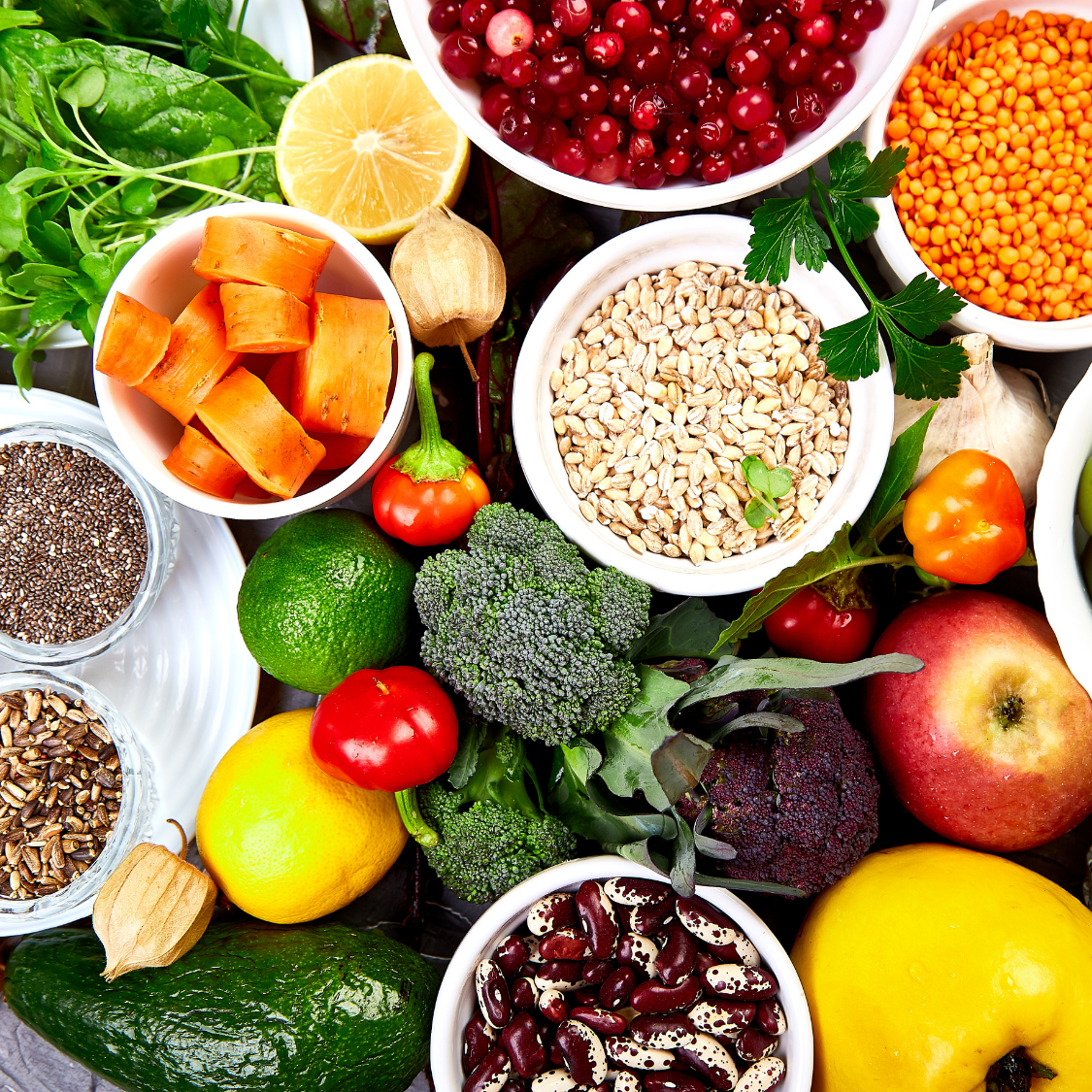
Citrus fruits, berries, leafy greens, garlic, yogurt with live cultures, and nuts make a strong daily anchor. They cover antioxidants, anti-inflammatory compounds, and gut support without being expensive or hard to find.
2. How quickly can food strengthen my immune system?
Some effects, like a vitamin C boost, kick in within hours, but most immune benefits build over weeks to months as your gut and tissues adapt. Consistency matters more than any single meal or short cleanse.
3. Do supplements work better than whole foods for immunity?
Whole foods deliver fiber, polyphenols, and co-factors that supplements alone don't replicate. Supplements can fill specific gaps (like vitamin D in winter), but they work best on top of a food-first foundation, not in place of it.
4. Can certain foods weaken my immune system?
Highly processed foods, added sugars, and excess alcohol all promote chronic inflammation, which can dull the immune response over time. Cutting these back is often as impactful as adding "superfoods."
5. Should I eat differently if I'm prone to getting sick?
Yes. Focus first on gut-supporting foods like kefir, sauerkraut, oats, and beans, then layer in antioxidant- and omega-3-rich choices. If you keep getting sick despite eating well, talk to a clinician about possible underlying causes.
Key Takeaways
- Eat at least one food from each of the four categories (antioxidant, anti-inflammatory, gut-supporting, immune-activating) every day.
- Lead with whole foods, and use supplements only to fill confirmed gaps rather than as a starting point.
- Cut back on ultra-processed foods, added sugar, and excess alcohol to reduce the chronic inflammation that wears immunity down.
- Plan one weekly bulk-cook session (vegetables, fatty fish, or grains) so immune-supporting eating fits into a real life.
- If you keep getting sick despite consistent healthy eating, get a personalized assessment instead of guessing