It's a fair assumption. Your DNA code itself doesn't change, so it's easy to think there's nothing you can do about it. But gene expression is a different story entirely. This is where epigenetics comes in: the study of how your genes turn on or off based on your environment, diet, and daily habits, including how you respond to medication.
Your genes don't just affect how you interact with the world. The world around you affects how your genes express themselves. That means your lifestyle choices, and the medications you take, can genuinely interact with how your genes work.
"Isn't DNA Testing Just for Finding Out My Ancestry?"
Ancestry companies made DNA testing mainstream over the past decade, and for a lot of people, that's still the only use they associate with it. But genetic screening can do far more than trace where your family came from.
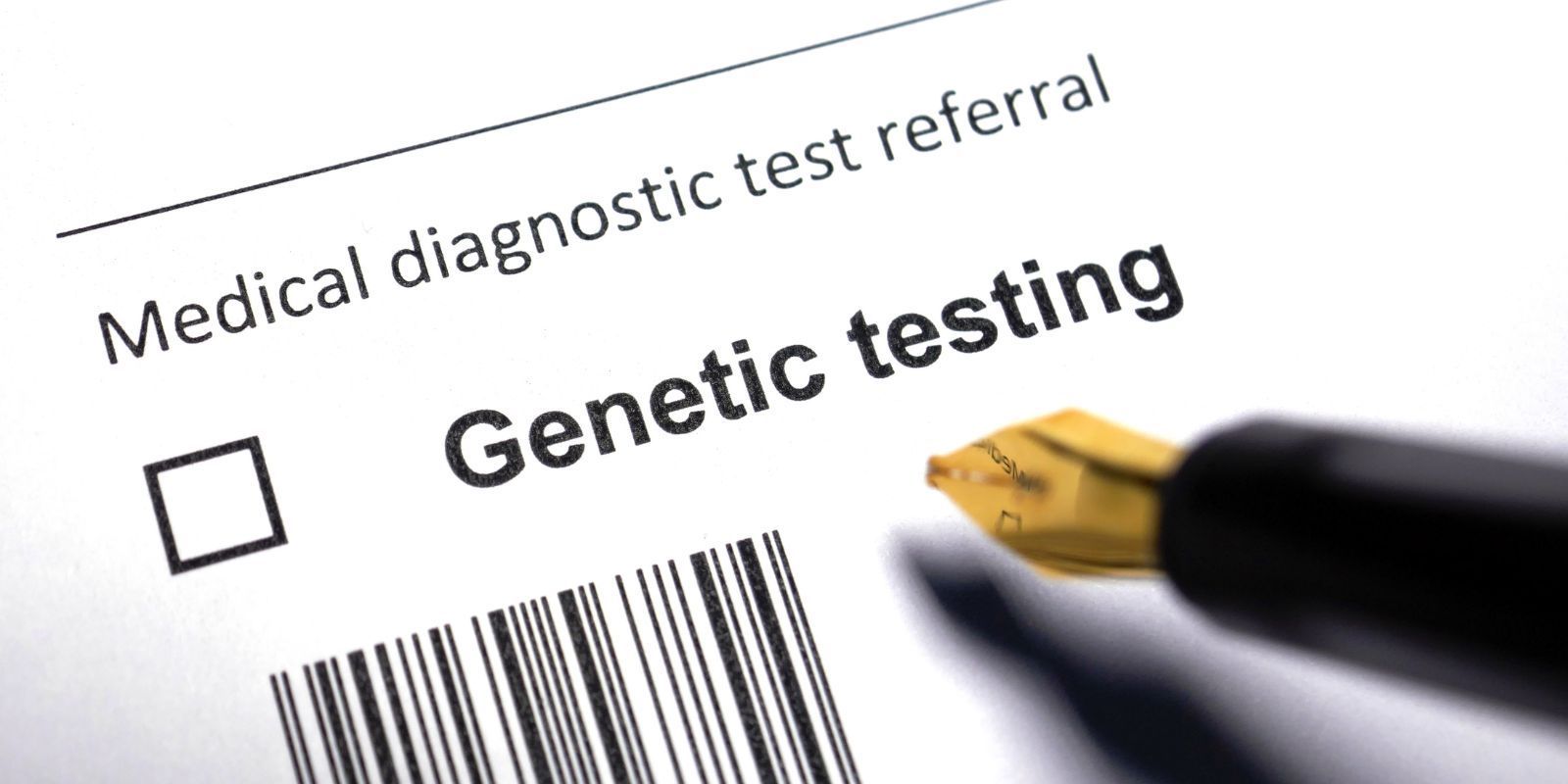
It can show how your body functions down to the cellular level, including how you metabolize medications and caffeine, process nutrients, and handle inflammation. Understanding genetic screening for medications specifically can help you and your provider choose treatments that actually work with your body instead of against it.
"Can My Results Be Shared? What If My Employer Finds Out?"
This is one of the most common concerns we hear, and it's a valid one. Two federal protections exist specifically for this: HIPAA prevents practitioners from sharing your genetic test information without your consent, and the Genetic Information Nondiscrimination Act (GINA) protects you from discrimination based on your results.
In practice, that means your employer cannot make hiring or firing decisions based on your DNA testing, and your health insurance company cannot use it to restrict your coverage.
"Is Science Advanced Enough to Actually Rely On?"
Science is always evolving, and pharmacogenomics, the study of how genes affect medication response, is no exception. Research into DNA has grown substantially since it was first studied in the 1950s, and our understanding of genetic variants and how they influence drug metabolism expands every year.
Like any evolving science, we work with the best current knowledge available and adjust our approach as that knowledge grows. Waiting for a hypothetical "someday" when the science is perfect would mean withholding insight that's already helping patients today.
"Doesn't Genetic Testing Only Look at One or Two Genes?"
Some genes get more attention than others, but no single gene tells the full story, especially when it comes to how your body processes medication. What matters is how your genes work together to create a complete picture, which is exactly what a genetic blueprint is designed to capture.
Think of it like a set of building plans. You wouldn't try to construct a house using blueprints for just one wall or a single floor. In the same way, looking at one or two genes in isolation misses the bigger picture your full genetic makeup provides, including how you'll likely respond to a given medication.
"Will This Information Actually Be Useful, or Just Interesting?"
A DNA testing result isn't meant to sit on a shelf. It becomes the foundation for a personalized health plan, one that can guide medication choices, better food decisions, more targeted lifestyle changes, and more relevant screening.
This is the difference between generic wellness advice and a genes-first approach: your results become something you and your provider actually use, not just something you read once and forget.
"Is Pharmacogenomic Screening Just About Predicting Disease?"
Many people do use genetic profiling this way, screening for variants that may increase the risk of a specific condition. But that's only part of what it offers. This kind of testing can reveal how you're likely to respond to a given drug before you ever take it, which can prevent trial-and-error prescribing.
It helps to understand the distinction between two types of tests: nutrigenetic tests, which focus on food and lifestyle factors, and pharmacogenomic tests, which look specifically at how your genes influence medication response.
When Arina Asked the Same Questions
Arina came to us with many of these same questions, unsure whether DNA testing was worth pursuing. Here's what she shared after going through her own genomic assessment:
"I've never been petite. I'd go on a diet, lose weight, but I couldn't maintain it. I always thought my willpower, or lack of it, was to blame. Only now, after my Genetic Blueprint experience, do I know there were lots of underlying reasons for my body's resistance to weight loss. Since addressing them, I've lost 20 kilograms. This is the new me."
Her results didn't just answer a question. They gave her a precision health plan built around the reasons her body was working against her, not a lack of discipline.
The Biggest Question of All
In many ways, genetic testing for medications and lifestyle answers the one question most patients are really asking: what can I do to reach my best health, based on how my body actually works? For patients across Corona Del Mar, Newport Beach, and Orange County, Newport Precision Rx has built the DNA profile behind the Genetic Blueprint to answer exactly that question, guided by Dr. Roza Kazemi, PharmD.
Frequently Asked Questions
1. Do I need to prepare for a genetic test in any special way?
No special preparation is needed. Most genetic tests only require a simple cheek swab, with no eating or drinking for at least 45 minutes prior to swab.
2. How long does it take to get my genetic testing results back?
Results typically take a few weeks to process, depending on the lab and the scope of testing involved.
3. Can genetic screening for medications replace regular checkups with my doctor or pharmacist?
No. It's meant to inform and personalize your care, not replace ongoing checkups or clinical guidance from your provider.
4. What's the difference between nutrigenetic and pharmacogenomic testing?
Nutrigenetic tests focus on how your genes relate to food, metabolism, and lifestyle choices. Pharmacogenomic tests look specifically at how your genes influence your response to medications.
5. Who actually owns my genetic testing data?
You do. Federal protections like HIPAA and GINA exist specifically to keep your genetic information private and to prevent it from being used against you.
Ready to Get Your Questions Answered?
Schedule a consultation with Newport Precision Rx to ask your own questions and find out what genetic testing for medications can reveal about your health.
Key Takeaways
- Gene expression, not just your DNA code, can be influenced by diet, lifestyle, and medication through epigenetics.
- HIPAA and GINA legally protect your genetic testing results from being shared or used for discrimination.
- Pharmacogenomic testing reveals how you're likely to respond to specific medications before you take them.
- A genetic blueprint looks at how multiple genes work together, not just one or two in isolation.
- Genetic testing for medications supports a personalized health plan covering treatment choices, food, and lifestyle changes.