Genes are the instructions written into your DNA. They shape the obvious things, like eye color and height, but they also influence how your metabolism runs, how your cardiovascular system holds up under stress, and whether you're more likely to develop certain conditions.
Here's the part most people don't realize:
99.9% of your genetic code is identical to everyone else's. It's that remaining 0.1% that makes you biologically unique, and it's where the real answers about your health tend to live.
Genetics and Epigenetics: What's the Difference?
Genetics is the study of the genes themselves, the fixed code you're born with. Epigenetics is different. It's the study of how that code gets expressed, meaning which genes turn on or off based on your diet, stress levels, sleep, and environment. Your DNA doesn't change, but how it behaves can shift throughout your life.
This distinction matters because it means your health isn't only written by your genetic code. It's also shaped by the daily choices that influence how that code shows up.
Genetic Variants: The Spelling Changes That Set You Apart
Inside that 0.1% of unique genetic code are
genetic variants, small differences in your genetic sequence that can change how a gene functions. If you carry a specific variant, it may affect how your cells or systems operate compared to someone without it. Sometimes that difference works in your favor. Other times, it's the reason a symptom won't go away no matter what you try.
Real Examples of Genetic Variants at Work
A few variants show just how far-reaching this influence can be:
- The ACE gene
affects your potential for endurance or power output.
- The GSTM1 gene
plays a role in how well your body clears out toxins.
- The HFE gene
influences how you store iron.
- The
APOE gene
plays a central role in how your body manages cholesterol and lipids, which connects to both cardiovascular health and long-term neurological risk.
Some variants also affect how your body responds to medication, which is the focus of pharmacogenomics, a specialized field that studies how your genetic makeup affects the way your body responds to medications, including how it breaks them down, how effectively they work for you, and how likely you are to experience side effects. A variant that slows caffeine metabolism, for example, works through the same pathways pharmacogenomics studies for prescription medications.
How Genetic Variants Shape Your Day-to-Day Health
A common assumption is that your genes are fixed, so there's nothing to be done about them. That's true of the code itself, but not of how it plays out in your life. Once we know which genetic variants you carry and how they express themselves, we can build lifestyle and nutrition choices around them instead of guessing.
Someone with a variant that causes the body to store iron too efficiently, for example, might need targeted testing and a treatment plan to manage the excess. Someone else might carry a variant that slows caffeine metabolism, which explains why that second cup of coffee leaves them wired until midnight.
What Genetic Testing Involves and What It Tells You
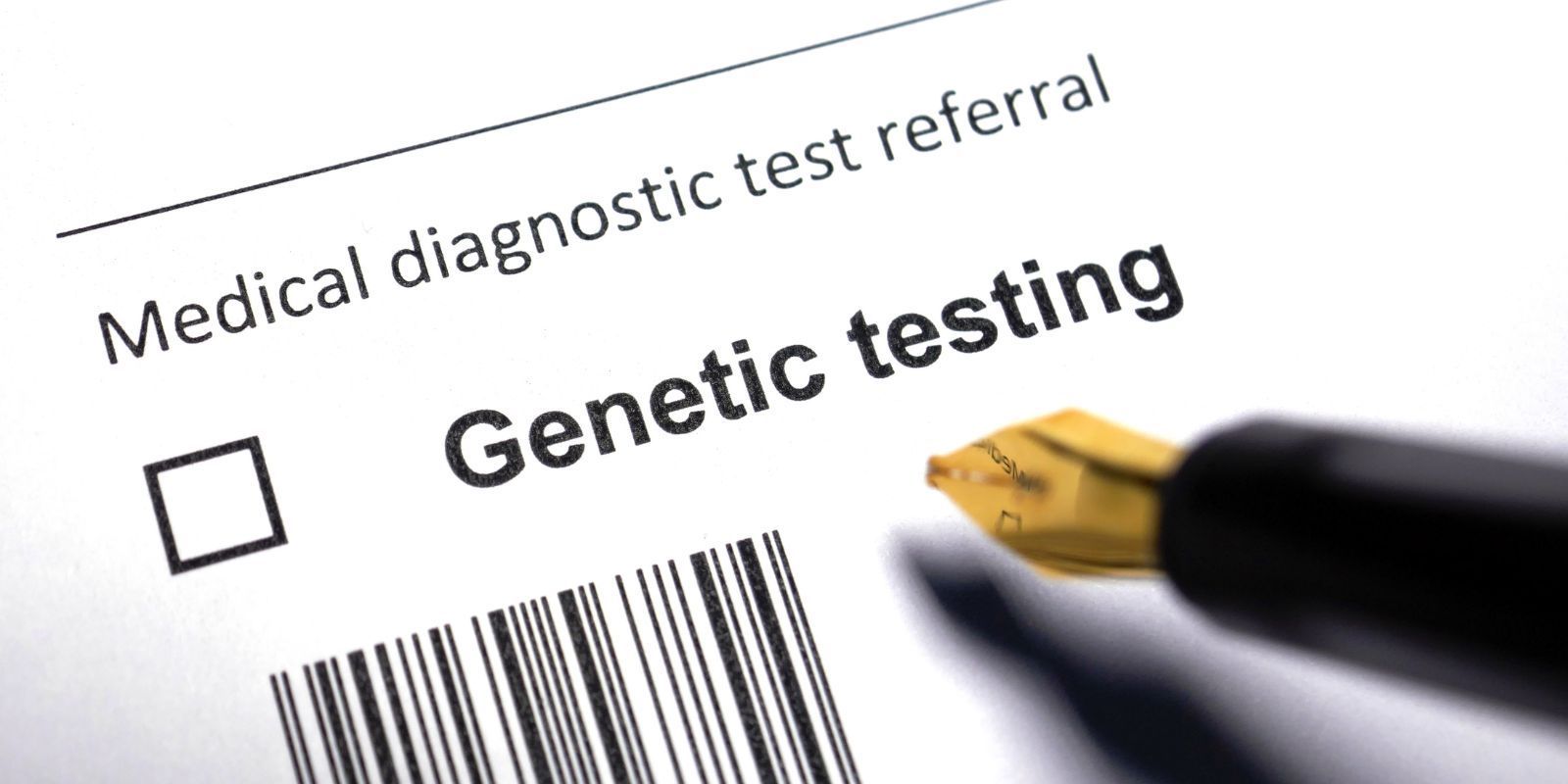
Genetic testing, sometimes called DNA testing, is simple. Most tests use a quick, painless cheek swab, no needles required. What comes back, though, is detailed. Your results can point to how your cells function, how your cardiovascular system holds up, how your body processes energy and nutrients, and more.
It's a single test that opens the door to a much clearer picture of your health. Pairing these insights with
blood and lab work builds an even fuller picture of your health. For ongoing support after your results come in, our
membership option provides continued pharmacist-led guidance.
Why Getting Your Genes Tested Is Worth It
Once you understand your genetic makeup, you stop guessing and start knowing. You can choose foods that actually support your biology and exercise in a way that matches your metabolism and energy levels, instead of following generic advice that may not apply to you.
A test like this can also help identify root causes behind symptoms or conditions that have been difficult to pin down, which allows for a more
personalized health plan built around you specifically, not a generic template. Think of your results as a blueprint. Once you have it, you know exactly how to build toward better health instead of relying on trial and error.
In practice, genetic insights often explain what years of trial and error could not. Patients who come in with long-standing, difficult-to-resolve symptoms frequently find that their results connect the dots in ways that previous approaches missed, leading to a plan that is built around their actual biology rather than a generic template. Understanding your genetic variants also lays the groundwork for
longevity medicine, where your biology, not population averages, shapes how you age.
Getting to Know Your Genes
You already know your habits, your preferences, and your history. DNA testing adds a layer most people never get to see: the biological reasons behind why your body responds the way it does. That insight can be the missing piece between the health routine you've been trying and the one that actually works for you.
At Newport Precision Rx, Dr. Roza Kazemi, PharmD, MSPS, takes a
genes-first approach with patients across Corona Del Mar, Newport Beach, and Orange County, using
genetic and epigenetic testing to build a precision health plan around each person's actual biology, not guesswork.
Ready to Understand What Your Genes Are Telling You?
Schedule a consultation with Newport Precision Rx to explore genetic testing and find out what your results mean for your health.
Frequently Asked Questions
1. Is the testing process painful or invasive?
No. Most DNA health assessments only require a simple cheek swab, and results are typically available within a few weeks.
2. Can DNA analysis tell me if I'll develop a disease?
These evaluations can identify variants linked to an increased risk for certain conditions, but a variant is not a diagnosis. It's information used to guide prevention and personalized care, not a definite prediction of the future. Many patients pair their results with our
Genes First Package for a fully built-out plan.
3. How do health-focused DNA insights differ from ancestry reports?
Ancestry tests focus on your family origins and heritage. In contrast, functional genomic screening looks at variants that affect metabolism, nutrient processing, medication response, and other operational aspects of your wellbeing.
4. Do I need a doctor's referral to get genetic screening done?
This depends on the specific panel and where you have it performed. A consultation with a qualified pharmacist or healthcare provider can help determine which option best fits your specific health questions.
5. Will my genetic results ever change?
No. Your underlying code stays the same throughout your life. What can evolve, however, is scientific understanding of what those genes mean and how you use those insights to guide your long-term health decisions.
Key Takeaways
- Only about 0.1% of your genetic code differs from anyone else's, and that small percentage is where personalized health insight comes from.
- Epigenetics explains how daily habits like diet, sleep, and stress influence which genes are active, even though your DNA itself stays the same.
- Genetic variants like ACE, GSTM1, HFE, and APOE can influence everything from fitness performance to inflammation levels.
- Pharmacogenomics looks specifically at how genetic variants affect medication and caffeine metabolism.
- DNA testing is quick and non-invasive, typically requiring nothing more than a cheek swab.
- Understanding your genetic variants allows for a personalized health plan built around your actual biology instead of generic advice.